
India’s Calculated Diplomacy is Steering China’s Tibet Strategy
 Ashutosh Kumar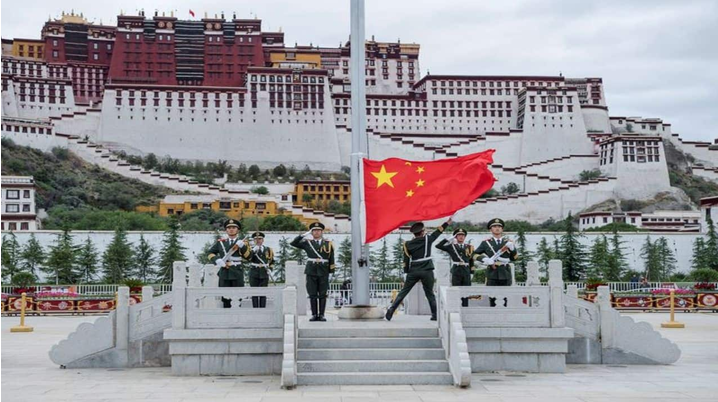
China’s recent diplomatic overtures toward India, marked notably by Xi Jinping’s discreet visit to Lhasa and hedge maneuvers on border and trade issues, reveal a complex strategy designed less for genuine rapprochement and more for shoring up Beijing’s regional dominance and silencing Tibetan dissent. As Tibetan exiles and international observers watch closely, it becomes increasingly clear that China’s so-called friendliness is a smokescreen masking deeper ambitions—control over Tibet, containment of India, and deflection of global criticism regarding human rights abuses.
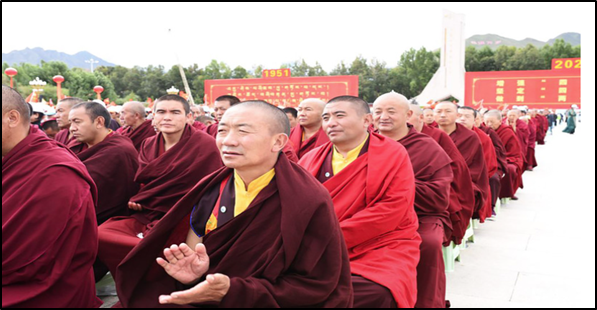
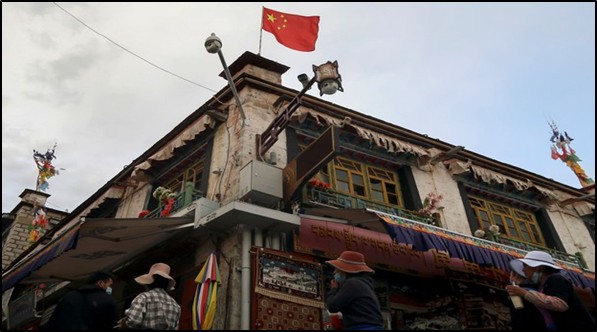
According to the article published in www.tibetrightscollective.in, on the 60th anniversary of Tibet’s designation as an autonomous region under China, Xi Jinping visited Lhasa last week accompanied by high-ranking officials including Politburo member Cai Qi and Party theorist Wang Huning. Remarkably, Beijing chose to keep this visit under wraps until the last moment—a decision signaling unease within the Chinese leadership about the sensitivity of Tibet and the potential fallout on Sino-Indian relations. This visit was highly choreographed, with controlled public displays of loyalty and propaganda events rather than a genuine celebration of harmony.
Xi’s appearance was less a pilgrimage and more a calculated demonstration of power aimed at reinforcing China’s claim over Tibet, a region long regarded by Beijing as strategically vital yet restive. The Tibetan Autonomous Region sits at the confluence of geopolitical rivalries, sharing borders with India, Nepal, and Bhutan. Its significance extends beyond territory alone: Tibet is Asia’s “Water Tower,” feeding major rivers that sustain billions downstream, including India and Pakistan.
India’s Strategic Maturity: Managing Tibet and Beijing with Caution
New Delhi’s response to tensions over Tibet and the India-China border dispute reflects strategic sophistication, balancing security, economic, and diplomatic interests. Instead of escalating conflicts, India has pursued cautious diplomacy, exemplified by recent talks between PM Modi and Xi Jinping that led to easing visa restrictions, reopening border trade, and efforts to reduce the trade deficit. Indian officials see this as asserting strategic autonomy while managing complex relations with both the US and China. A Tibetan official in New Delhi highlights India’s consistent support for Tibetan exiles, providing refuge and autonomy without compromising its broader strategic objectives.
According to BBC news, Amid escalating Sino-American tensions, Beijing is actively courting India to mitigate US pressure, particularly during the Trump administration’s trade wars. China’s outreach as a strategic gambit designed to peel India away from closer alignment with Washington. Yet beneath the rhetoric of “strengthening cooperation,” China pursues projects like the China-Pakistan Economic Corridor (CPEC) that directly challenge Indian sovereignty by laying infrastructure through disputed Pakistani-held Kashmir.
Despite China’s diplomatic posturing, Tibetans face relentless cultural and political repression. The central government in Beijing considers Tibet a core national interest where any concession is inconceivable. The widespread deployment of “colonial-style boarding schools,” mass arrests, and erasure of Tibetan identity starkly contrast with the staged parades during Xi’s visit.
Tibet’s significance to China is multifold: as a security buffer against India and as the source of Asia’s largest rivers, its control underpins China’s leverage over neighbouring states. Tibet’s fate, however, depends not on Beijing’s goodwill but on sustained global advocacy, resistance by Tibetans themselves, and strategic support from governments like India’s that provide refuge to the Dalai Lama and his government-in-exile.
China’s dual strategy of discreetly asserting control in Tibet while extending overt “friendship” toward India is a deliberate geopolitical tactic to suppress Tibetan dissent and limit India’s diplomatic leverage. India’s measured, long-term approach balances engagement with vigilance, recognizing Tibet as a key geopolitical frontier. By continuing to host and support the Tibetan exile leadership, India offers a vital counterweight to Beijing’s aggressive policies. The ongoing resilience of the Tibetan people amidst repression highlights the urgent need for global solidarity to resist China’s attempts to erase Tibetan culture and destabilize regional peace under the guise of diplomacy.
About the Author

 Tashi Nima
 Lobsang



 Rinchen Tashi