

China’s Oppression of Tibet: A Grave Threat to Tibetan Culture, Rights, and Environment
 Ashutosh Kumar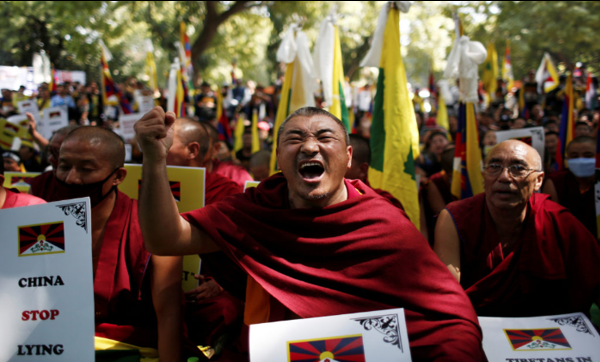
Tibet, a land of rich spiritual heritage and breathtaking natural beauty, continues to suffer under the harsh policies of the Chinese government. Despite international calls for respect and protection of Tibetan rights, China’s actions reveal a systematic campaign to suppress Tibetan culture, religion, and environment. The sentencing of Tibetan monastic leaders protesting a dam, the cultural genocide of Tibetan children, international criticism of China’s human rights record in Tibet, and the global Tibetan community’s efforts to preserve their identity and honor the Dalai Lama.
According to the Radio Free Asia, In early 2024, two senior Tibetan monastic leaders Abbot Sherab and administrator Gonpo of Yena Monastery in Kham Dege were sentenced to prison terms of four and three years respectively for protesting the construction of the massive Gangtuo Hydropower Project on the upper Yangtze River. This project threatens to submerge at least six ancient monasteries and two villages, displacing entire Tibetan communities and destroying centuries-old cultural sites.
Sherab became a symbol of peaceful resistance when a video showed him pleading with Chinese officials to halt the dam, performing a traditional Tibetan gesture of supplication. The protests, which began on 14 February 2024, involved hundreds of Tibetans kneeling and begging authorities to reconsider the project. Instead of dialogue, the Chinese government responded with mass detentions, brutal interrogations, and harsh sentences. Reports indicate that Gonpo is currently in critical condition due to torture sustained during detention.
This crackdown exemplifies Beijing’s disregard for Tibetan voices and heritage. The forced relocation and destruction of Tibetan religious centers not only violate human rights but also threaten to erase the spiritual and cultural identity of the Tibetan people. Tibetan NGOs and the Central Tibetan Administration have condemned these actions and called for the immediate release of over 1,000 Tibetans detained for peacefully opposing the dam.
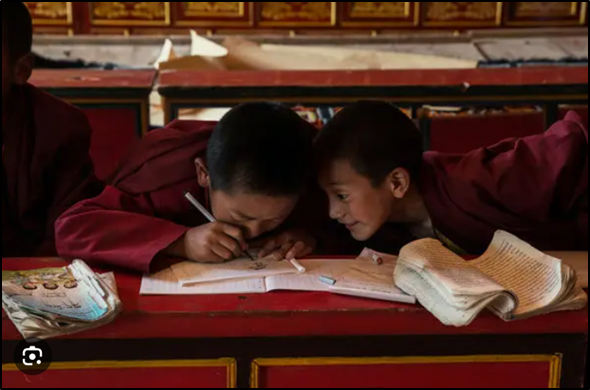
According to a news article published in https://tibetnetwork.org/ on 02 Jun 2025, A head of the 2025 G7 Summit in Canada, global Tibetan advocacy groups issued urgent calls for coordinated international action against China’s ongoing repression in Tibet. One of the most egregious policies is the forced placement of over one million Tibetan children into Chinese-run colonial boarding schools. Starting as young as four years old, these children are separated from their families and communities, stripped of their native language, religion, and culture.
This system is widely described as cultural genocide. It is part of China’s broader strategy to assimilate Tibetans forcibly and erase their unique identity after more than 70 years of occupation. Freedom House’s 2025 report gave Tibet a freedom score of zero out of 100 worse than North Korea and Sudan highlighting the severity of abuses including arbitrary detention, torture, forced relocations, and suppression of Tibetan language and religion. Tibet campaigners demand that G7 nations pressure China to close these colonial schools, release political prisoners, respect Tibetan religious freedom especially concerning the Dalai Lama’s reincarnation and halt exploitative development projects that displace millions of Tibetans.
UN Human Rights Chief Condemns China’s Abuses in Tibet
On 16 June 2025, Volker Türk, the UN High Commissioner for Human Rights, delivered a stark assessment of China’s human rights record in Tibet at the UN Human Rights Council in Geneva. He condemned “ongoing infringements on cultural and other rights” and called for the release of all individuals detained for exercising their rights. Türk urged China to align its laws and policies with international human rights standards.
The Tibetan Community of Switzerland and Liechtenstein organized a peaceful demonstration outside the UN offices to highlight the continued repression inside Tibet and the increasing transnational repression targeting Tibetan activists abroad. The demonstration included Tibetans and Chinese human rights defenders united in calling for justice. This international spotlight underscores the urgency of addressing China’s violations in Tibet, which threaten not only Tibetan lives and culture but also global human rights norms.
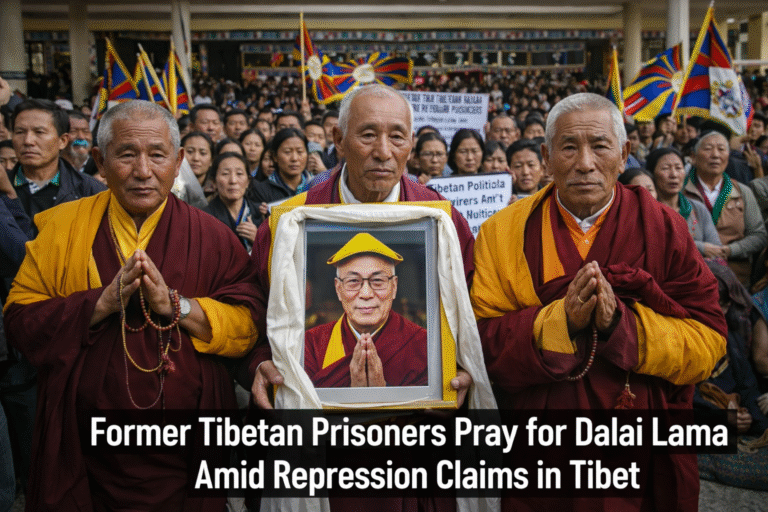
According to the tibetoffice.org, Amidst these challenges, the Tibetan leadership and diaspora remain resilient. On 19 June 2025, Sikyong Penpa Tsering, President of the Central Tibetan Administration, launched the official Ghoton website (hhthedalailama90.net) to commemorate His Holiness the Dalai Lama’s 90th birthday. The website serves as a hub for sharing the Dalai Lama’s life achievements, teachings, and celebrations during the “Year of Compassion.”
The Dalai Lama’s birthday events include religious ceremonies, cultural exhibitions, medical camps, and international gatherings of Tibetan Buddhist leaders. These efforts aim to preserve Tibetan culture, promote peace, and raise global awareness of Tibet’s plight. Despite logistical challenges and ongoing repression, the Tibetan community’s commitment to cultural preservation and peaceful advocacy remains unwavering, inspiring supporters worldwide.
China’s policies in Tibet represent a multifaceted assault on Tibetan culture, religion, environment, and human rights. From imprisoning peaceful monks protesting environmentally and culturally destructive projects, to forcibly assimilating Tibetan children in colonial boarding schools, to ignoring international calls for justice, the Chinese government continues to tighten its grip on Tibet.
The international community, including the UN, G7 nations, and global Tibetan supporters, must hold China accountable and demand respect for Tibet’s rights and heritage. Only through sustained global pressure and solidarity can the Tibetan people hope to preserve their identity, protect their sacred lands, and secure a future of freedom and dignity.
About the Author

 Tashi Nima
 Karma Ngawang
  Lobsang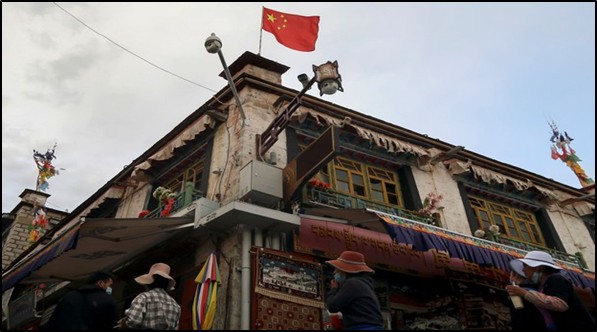


 Rinchen Tashi