

From Exile to Empowerment: Tibetan Democracy Day Exposes China’s Repression
 Lobsang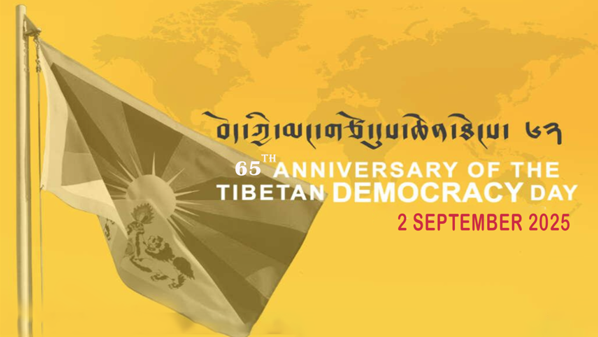
To mark the 65th Anniversary of Tibetan Democracy Day, Tibetans worldwide renew their call for freedom and resistance against China’s continued oppression. This historic day celebrates the resilience of the Tibetan spirit, the birth of democracy in exile, and the ongoing struggle to preserve Tibetan culture and identity. While China attempts to silence dissent and erase Tibetan heritage, every act of self-governance rooted in the Central Tibetan Administration defies Beijing’s narrative and inspires hope for justice, autonomy, and human rights for Tibetans everywhere.
According to the Free Tibet, Tibetan Democracy Day, or Mangsto Duchen, commemorates the establishment of the Central Tibetan Administration (CTA) in exile in 1960, formed after China’s occupation of Tibet. The Dalai Lama’s vision led to the first elected Tibetan Parliament in Exile, allowing Tibetan refugees to govern themselves, retain their language, and protect their unique culture against overwhelming odds. From its inception, the CTA was built on democratic ideals universal suffrage, constitutional reforms, and direct elections that, over six decades, have become the backbone of Tibetan resistance.
Why China Fears a Free Tibetan Voice
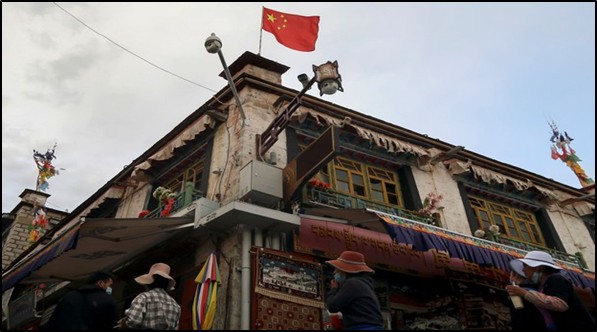
Every visible act of Tibetan democracy, whether a ballot cast in Dharamshala or a slogan shouted in Washington D.C., is seen by China as a threat. Inside the Tibetan Autonomous Region (TAR), 2.7 million Tibetans live under severe repression censored, surveilled, and often punished for simple expressions like displaying the Tibetan flag or celebrating the Dalai Lama’s birthday. Chinese propaganda attempts to paint Tibet as integrated, happy, and prosperous, but the reality is stark Tibetan children lose their language, monasteries are monitored, dissenters jailed, and protests brutally crushed. China’s narrative insists Tibet is an inseparable part of China, yet history records Tibet’s independence its own currency, passports, and treaties until the 1950 invasion.
The Chinese occupation of Tibet in the 1950s led to severe oppression and the violent suppression of the 1959 Tibetan uprising, forcing the Dalai Lama and thousands into exile. In response, the Dalai Lama established the Central Tibetan Administration (CTA) in India in 1960, inaugurating the Tibetan Parliament in Exile, which allowed Tibetans to elect their representatives for the first time. Tibetan Democracy Day, celebrated on September 2, commemorates this milestone, marking the resilience, political empowerment, and ongoing struggle of Tibetans to preserve their culture and autonomy under Chinese rule.
The Inspiration for Tibetan Resistance
Despite relentless attempts to erase Tibetan identity, the spirit of resistance is stronger than ever. On Tibetan Democracy Day, Tibetans and supporters across the globe celebrate not just surviving but thriving: preserving traditions, opening schools, and voicing dissent. The CTA, now representing 6.7 million Tibetans worldwide, advocates for the “Middle Way Approach” genuine autonomy within China, not merely independence. This effort draws support from India (host to over 100,000 exiles), the US, Europe, and global human rights organizations despite China’s attempts to suppress international dialogue.
The past 65 years have been marked by tragedy and courage. Since 1959, China has waged a campaign of forced assimilation, mass detentions, and cultural genocide. Reports document the destruction of thousands of monasteries, the death of over a million Tibetans during Mao’s era, and repeated crackdowns on peaceful protestors—most recently, hundreds detained in anti-dam demonstrations. Yet Tibetans continue to inspire, with more than 150 self-immolations since 2011 in protest of Chinese brutality. The world responds through protests, legislative action like the US Resolve Tibet Act, and ongoing pressure on China to accept real autonomy for Tibetans.
Tibetan Democracy Day stands not only as a commemoration but as a defiant statement. It reminds the world that basic human rights freedom of religion, language, and peaceful existence are still denied to Tibetans. China’s fears are well-founded: every act of Tibetan resistance, every diplomatic victory, every commemoration chips away at the walls Beijing has built around Tibet.
About the Author

 Tashi Nima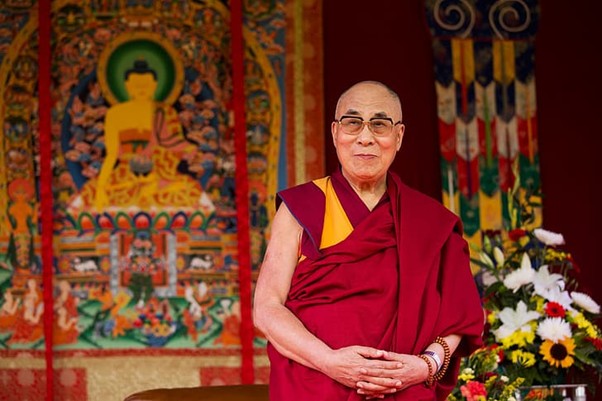
 Rinchen Tashi