
China’s Shadowy Arrest: Top Tibetan Lama Lobsang Lungrik Vanishes
 Rinchen Tashi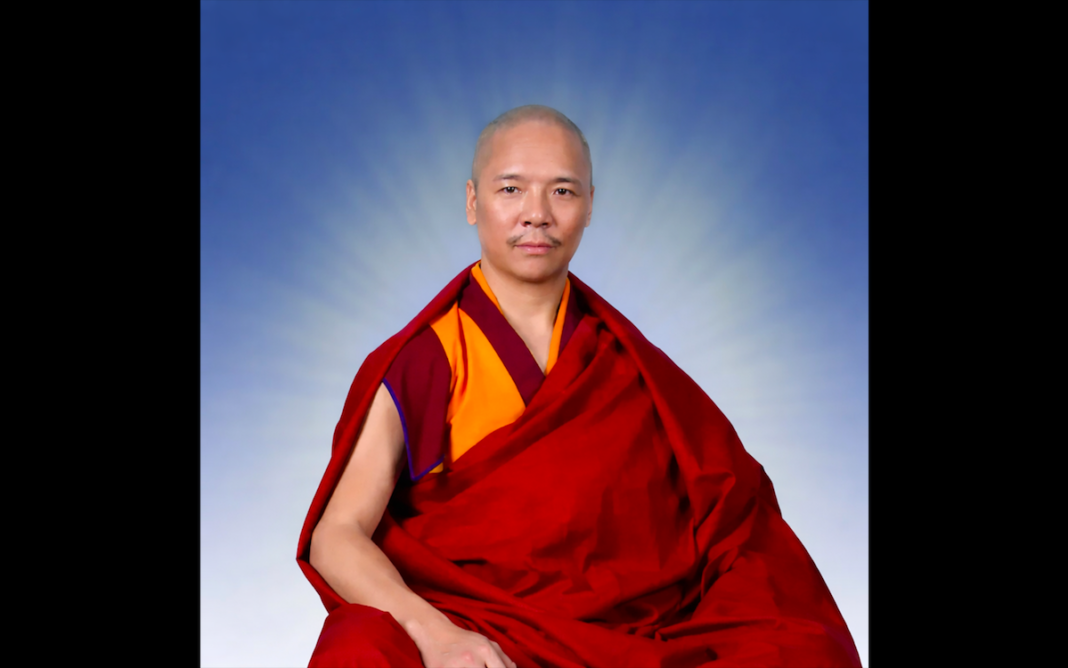
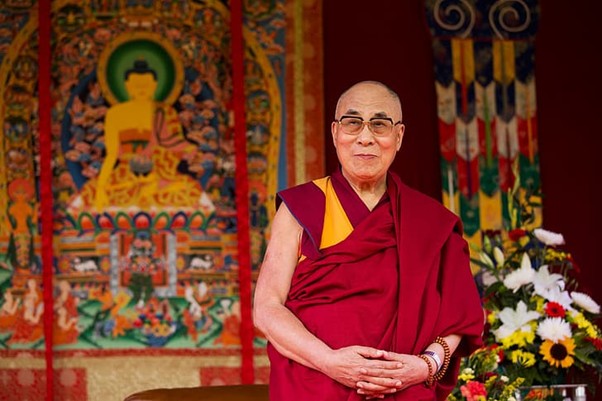
Senior Buddhist leader Lobsang Lungrik in an undated photo (Photo/TCHRD)
In a chilling case of enforced disappearance, a senior Tibetan Buddhist leader from China’s Qinghai province has been missing since his secret detention in December 2024. The Tibetan Centre for Human Rights and Democracy (TCHRD), based in Dharamshala, India, sounded the alarm on Saturday, spotlighting Beijing’s ruthless grip on Tibetan faith and culture.
Lobsang Lungrik, 51, served as head lama of the historic Ba Gön Monastery in Chumarleb (Chinese: Qumalai) County, Yushu Tibetan Autonomous Prefecture. This remote Kham region traditional Tibetan heartland has long faced harsh crackdowns. Lungrik vanished after police swooped in under unclear orders. No updates on his location, health, or access to family. TCHRD reveals China accuses him of aiding a late senior scholar from Chamdo’s Tsawa area, who had ties to India, in landing a scripture role at the monastery. He also allegedly wired funds abroad, likely to India trumped-up charges often weaponized against Tibetans nurturing religious links beyond China’s borders.
The purge hit fast. On December 26, 2024, state mouthpiece Qinghai Daily declared Lungrik ousted from the Standing Committee of the Qinghai Provincial Committee of the Chinese People’s Political Consultative Conference (CPPCC), where he shone as Vice Chairman. His stellar resume included Vice President of the Buddhist Association of Qinghai Province, Executive Vice President and board member of Yushu’s Buddhist Association, and Vice Chairman of the Yushu Prefectural CPPCC. Two other officials, Ma Fengsheng and Zhao Xuezhang, lost posts for “disciplinary violations,” but Lungrik’s fate stayed shrouded no reasons, no trial hints.
Lungrik’s life embodied Tibetan resilience. Born August 25, 1975, in Chumarleb, he was recognized in 1982 as the 11th incarnation of Bartri Gyuchen, a revered lineage. He endured over 21 years of rigorous study at Lhasa’s famed Sera Monastery, a hub of Gelugpa scholarship. In July 2002, he advised the Kagyur and Tengyur Collation Office at China’s Tibetology Research Centre. He graduated from the Advanced Tibetan Buddhist Institute of China in 2003 and clinched a Master’s from Qinghai Normal University in 2015 proof of his bridge-building between tradition and state systems.
Yet China crushed that bridge. TCHRD condemns the incommunicado detention as arbitrary and a crime against humanity. No legal grounds disclosed. No confirmation of his whereabouts or counsel rights. This violates core human rights: life, liberty, security, freedom from torture, humane detention, and fair trials. Enforced disappearances terrorize Tibetans, silencing dissent in a land where monasteries once thrived.
Lungrik’s case fits Beijing’s pattern: demolish spiritual leaders to erase Tibetan identity. As Xi Jinping tightens control, such shadows grow longer. Will the world demand answers before another voice fades?
About the Author

 Tashi Nima