

Amdo’s Wrath: 5.5 Quake Shatters 49 Tibetan Villages, Evacuates 20,000 Souls
 Sundra Rao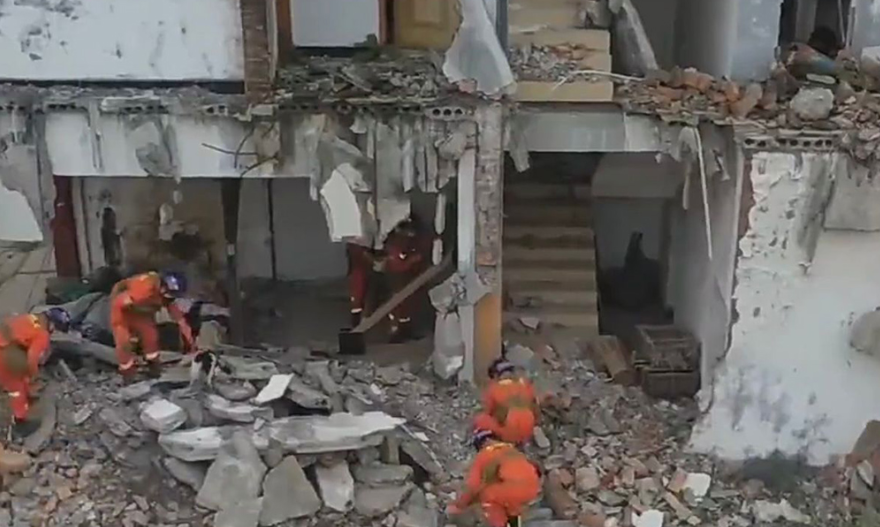
In the rugged embrace of Amdo’s highlands, where Tibetan prayer flags snap against Gannan Prefecture’s windswept plateaus, Mother Earth unleashed a sharp reminder of her unrest. A 5.5-magnitude earthquake struck Thewo (Tewo) County in Gansu Province on January 26, 2026, at 2:56 p.m., jarring over 20,000 souls from their homes and leaving 49 Tibetan villages scarred but standing. No lives lost a small mercy in this seismic-prone frontier but the aftershocks ripple through a region already strained by Beijing’s iron grip.
Xinhua, China’s state mouthpiece, reported the epicentre at 34.06°N, 103.25°E, just 10 kilometres beneath the surface, shallow enough to heave the ground like a waking dragon. Residents recounted the terror: teacups shattering, walls groaning, families bolting to open squares as the quake’s fury peaked. “It felt like the mountains themselves were shifting,” one herder told reporters, his voice steady but eyes haunted. Preliminary checks revealed cracks snaking through mud-brick homes and monasteries hallmarks of Tibetan architecture ill-suited to such jolts.
Thewo, nestled in Kanlho (Gannan) Prefecture, is no stranger to tremors; the Tibetan plateau sits atop the relentless dance of the Indian and Eurasian plates. Yet this event, striking just two days ago, exposed the fragility of rural life here. Voice of Tibet, broadcasting from Oslo, confirmed damages across 49 villages earth fissures, toppled stupas, livestock scattered. No fatalities, praise the heavens, but the human toll mounts: families huddled in frigid January air, nomads’ tents unfit for winter’s bite.
Beijing’s machinery whirred into action with textbook efficiency. The State Council Earthquake Relief Headquarters, Ministry of Emergency Management, and China Earthquake Administration triggered Level IV emergency protocols. Gansu fire and rescue corps surged in with 340 personnel, 65 vehicles, and seven search dogs, while 350 public security officers fanned out for sweeps. Tents, blankets, and hot meals flowed to evacuation sites, Xinhua beamed proudly.
But beneath the optics lies a deeper quake. Gannan, historically Amdo Tibetan heartland, chafes under Han-dominated administration. These villages clusters of whitewashed homes ringed by barley fields and grazing yaks embody resilience against cultural erosion. Recent UN alarms over forced labour transfers in Tibet cast a shadow: were these fragile dwellings built by coerced hands? The quake spares no one, yet it underscores vulnerabilities amplified by policies that uproot nomads, raze grasslands for “ecological” fences, and flood valleys with settlers.
As I reflect on decades studying Tibetan seismic lore from the 7.9 Sichuan quake of 2008 that claimed 80,000, many Tibetans, to smaller tremors testing monastic fortitude this event feels portentous. Thewo’s faithful likely turned to many walls and lamas for solace, chanting amid the rubble. Recovery will test Beijing’s benevolence: will aid empower locals or pave way for more “resettlement”?
For now, 20,000 souls pray for steady ground. In Tibet’s vastness, nature’s wrath unites; may it spur not just repairs, but reckoning.
About the Author

 Tashi Nima


 Rinchen Tashi