
At 90, The Dalai Lama’s Grammy Triumph Echoes Universal Compassion Across the World
 Rinchen Tashi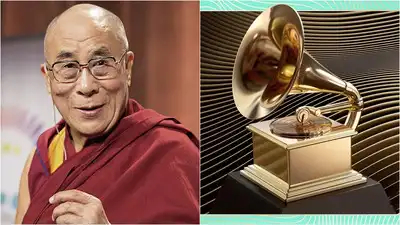
Image Credit : TimesNowNews
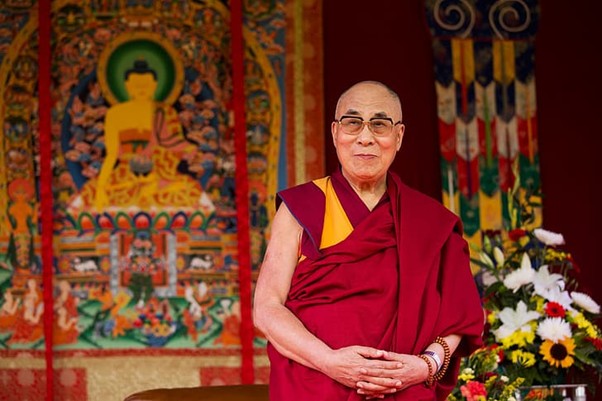
In a dazzling fusion of spirituality and stardom, the Dalai Lama, the 14th spiritual leader of Tibetan Buddhism, has claimed his first Grammy Award at the age of 90. Announced during the pre-telecast ceremony of the 68th Annual Grammy Awards on February 1, 2026 (ET), the revered figure triumphed in the Best Audiobook, Narration and Storytelling Recording category for Meditations: The Reflections of His Holiness the Dalai Lama. This victory, revealed amid the glittering spectacle that opened with BLACKPINK’s ROSE and Bruno Mars igniting the stage with “APT.,” pits the Nobel Peace Prize laureate against global icons like comedian Trevor Noah, U.S. Supreme Court Justice Ketanji Brown Jackson and Fab Morvan of Milli Vanilli. It’s a moment that transcends music, affirming the timeless power of wisdom in an era of division.
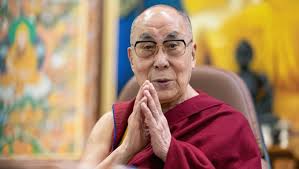
From his exile home in Dharamsala, India where he has resided since fleeing Chinese-occupied Tibet in 1959 the Dalai Lama’s win adds a luminous milestone to a legacy etched in global history. Born Tenzin Gyatso in 1935, he was recognized as the reincarnation of his predecessor at age two, ascending to leadership amid Tibet’s turbulent annexation by China. Over seven decades, he has championed nonviolence, authoring over 100 books, addressing the United Nations and earning the 1989 Nobel Peace Prize for his unwavering advocacy for Tibetan autonomy through peaceful means. This Grammy, however, marks uncharted territory: a bridge between ancient monastic traditions and modern pop culture’s highest echelons.
The award-winning album, released in 2025, is a profound 10-track English collection blending the Dalai Lama’s narrated reflections with compositions by maestro Ustad Amjad Ali Khan, himself and producer Kabir Sehgal. Tracks weave meditative insights on compassion, mindfulness and human interconnectedness, delivered in the leader’s signature gentle cadence. Absent from the Los Angeles ceremony, the honour was gracefully accepted by collaborator Rufus Wainwright, the Grammy-winning singer-songwriter. With disarming humour, Wainwright quipped, “Okay, I am not the Dalai Lama, obviously,” before expressing profound thanks, underscoring the project’s collaborative spirit.
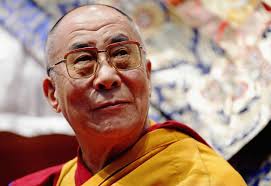
In a heartfelt post on his official X account, the Dalai Lama dedicated the accolade not to personal glory, but to humanity’s collective healing. “I receive this recognition with gratitude and humility,” he wrote. “I don’t see it as something personal but as a recognition of our shared universal responsibility. I truly believe that peace, compassion, care for our environment and an understanding of the oneness of humanity are essential for the collective well-being of all eight billion human beings. I’m grateful that this Grammy recognition can help spread these messages more widely.” These words, rooted in his philosophy of “universal responsibility,” resonate amid escalating global crises from climate chaos and geopolitical strife to social fractures.
This Grammy is more than an award; it’s a clarion call. At 90, the Dalai Lama whose health has been a quiet concern remains a beacon, outshining younger luminaries by sheer moral gravity. His victory amplifies Tibetan voices silenced under Chinese rule, where over six million Tibetans endure cultural erasure. It spotlights the urgency of compassion in a world weary of conflict, proving that true influence lies not in power but in empathy. As Meditations reaches new ears via Grammy prestige, it invites listeners to pause, reflect and unite. In an age of noise, the Dalai Lama’s whisper of wisdom roars loudest, reminding us: compassion isn’t passive it’s the revolution we need.
About the Author


 Tashi Nima