

China’s Tibet Energy Jackpot: 10,000GW Solar, Dams and a Fragile Plateau at Risk
 Rinchen Tashi
A new Chinese government survey reveals stunning potential: the clean energy from solar, wind and hydropower in Tibet Autonomous Region (TAR) alone could supply China’s entire electricity needs. Reported by SCMP on February 4, the data comes from experts at the China Society for Hydropower Engineering and state-owned Power Construction Corporation. Hydropower could hit 178 gigawatts (GW), wind over 100 GW and solar a massive 10,000 GW enough for today’s demands and tomorrow’s growth. Chinese Hydropower
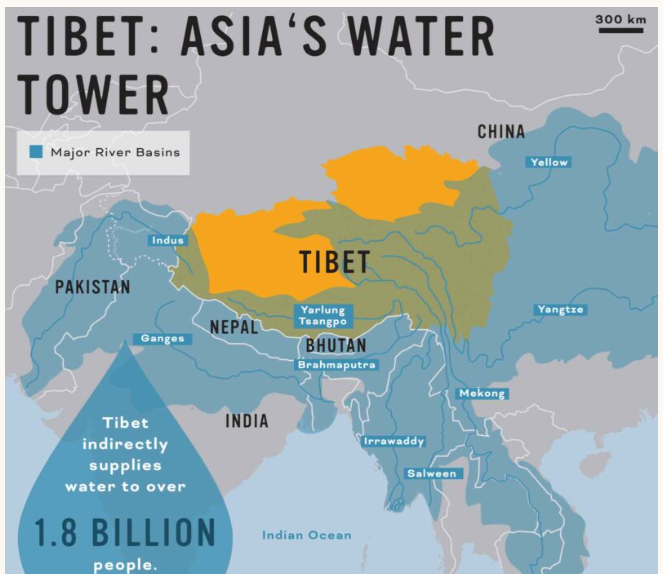
This “technically exploitable” capacity accounts for real-world limits like terrain and weather not just raw sunlight or wind. Tibet’s high plateau, often called the “Water Tower of Asia,” boasts some of the world’s richest solar resources rivalling the Sahara plus fierce winds and raging rivers. A 2021 study even pegged solar potential below 5,000 meters at 12,000 GW.
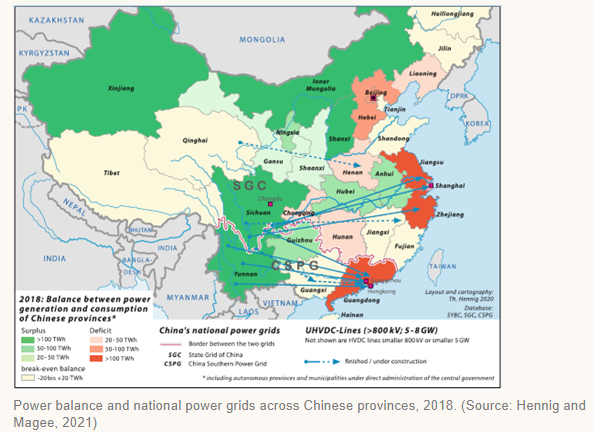
Yet, the researchers warn of risks. Tibet’s fragile ecosystem thin air, permafrost and delicate alpine life – demands caution. Only a third of TAR land suits large solar farms tied to grids. Harsh conditions and vast empty spaces slow big projects. Even now, Tibet produces surplus green power trapped far from China’s thirsty cities, creating waste without better transmission.
China is acting fast. State Grid unveiled a 4 trillion yuan ($575 billion) grid upgrade this month – 40% more than last five years – to ship renewables eastward. Construction began on the Tibet-Guangdong ultra-high-voltage line, set for 2029. It will carry power equal to half the Three Gorges Dam yearly. To hit carbon neutrality by 2060, China needs 10,000 GW renewables: 600 GW hydro, 3,300 GW wind, 6,500 GW solar. Tibet could lead.
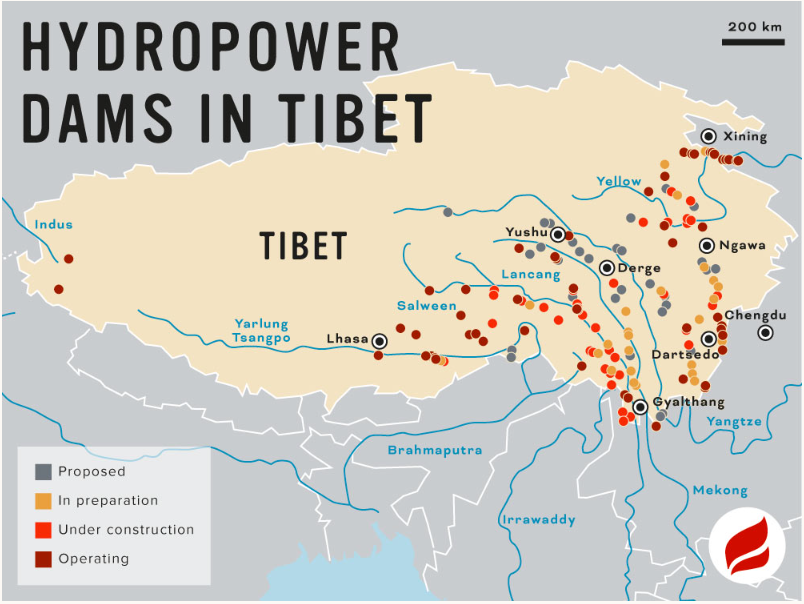
But history shouts warnings. China has bulldozed environmental and technical hurdles before – think Qinghai-Tibet Railway slicing through sacred lands or the massive Yarlung Tsangpo dam near India’s border the world’s largest, threatening downstream rivers vital to millions in India and Bangladesh. These mega-projects ignored Tibetan voices, displaced nomads and scarred ecosystems. Rivers like the Brahmaputra, born in Tibet, feed Asia; damming them risks floods, droughts and biodiversity loss.
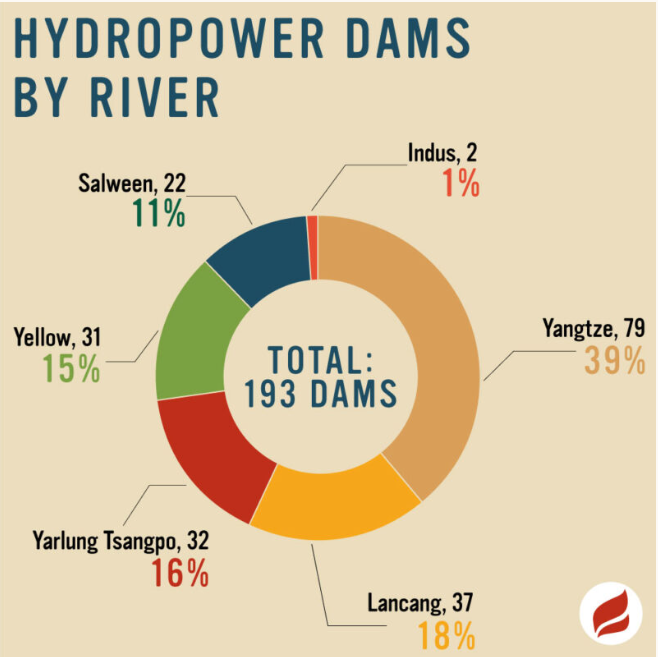
For Tibetans exiled since 1959, their homeland under Beijing’s grip this is no green dream. It’s exploitation masked as progress. The Tibetan plateau’s waters sustain 1.4 billion people downstream. China’s “renewable rush” echoes colonial grabs: railways for troops, dams for power, now solar farms on grasslands where yaks roam free. Exiled leaders like the Dalai Lama urge true sustainability respecting ecology and Tibetan rights.
Tibet’s energy treasure could light China green. But without consent, environmental safeguards and benefit-sharing with locals, it risks deepening injustice. Will Beijing learn from past harms, or repeat them? The plateau’s fate affects us all.
About the Author

 Tashi Nima