

China’s Ban on Tibetan Children in Monasteries: A Silent Strike on Culture and Faith
 Karma Ngawang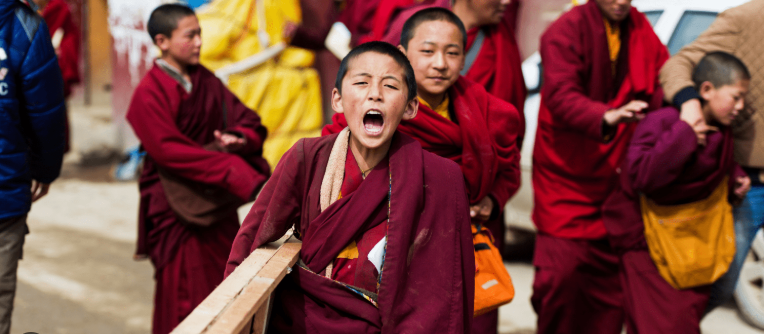
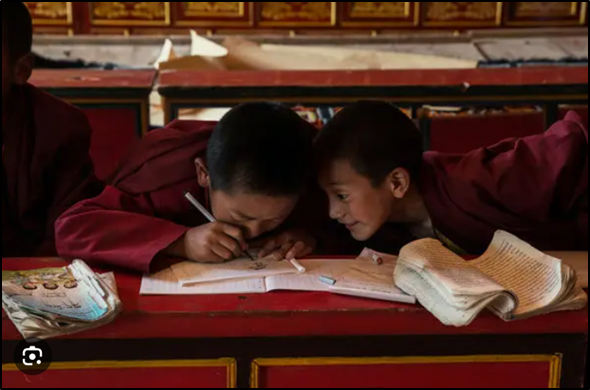
China’s latest move to bar Tibetan children under 18 from monasteries is more than a restriction it is a calculated attempt to reshape identity. By blocking young Tibetans from their spiritual spaces, Beijing is severing the link between generations and their cultural roots. Monasteries are not just places of worship; they are schools of language, tradition, and moral grounding. Denying children access during formative years means stripping them of the chance to inherit their heritage.
This policy fits into a wider pattern: compulsory boarding schools, limits on Tibetan language teaching, and ideological conditioning. Together, they form a system designed to assimilate rather than educate. Parents already report children returning home speaking Chinese instead of Tibetan, hesitant to enter monasteries.
What is unfolding is not just cultural erosion it is cultural engineering. Tibet’s future is being rewritten, one child at a time, under the shadow of forced assimilation.
About the Author

 Tashi Nima

 Rinchen Tashi