

VISION FADING, SPIRIT UNBROKEN: A-NYA SENGDRA’S FIGHT FOR TIBET
 Karma Ngawang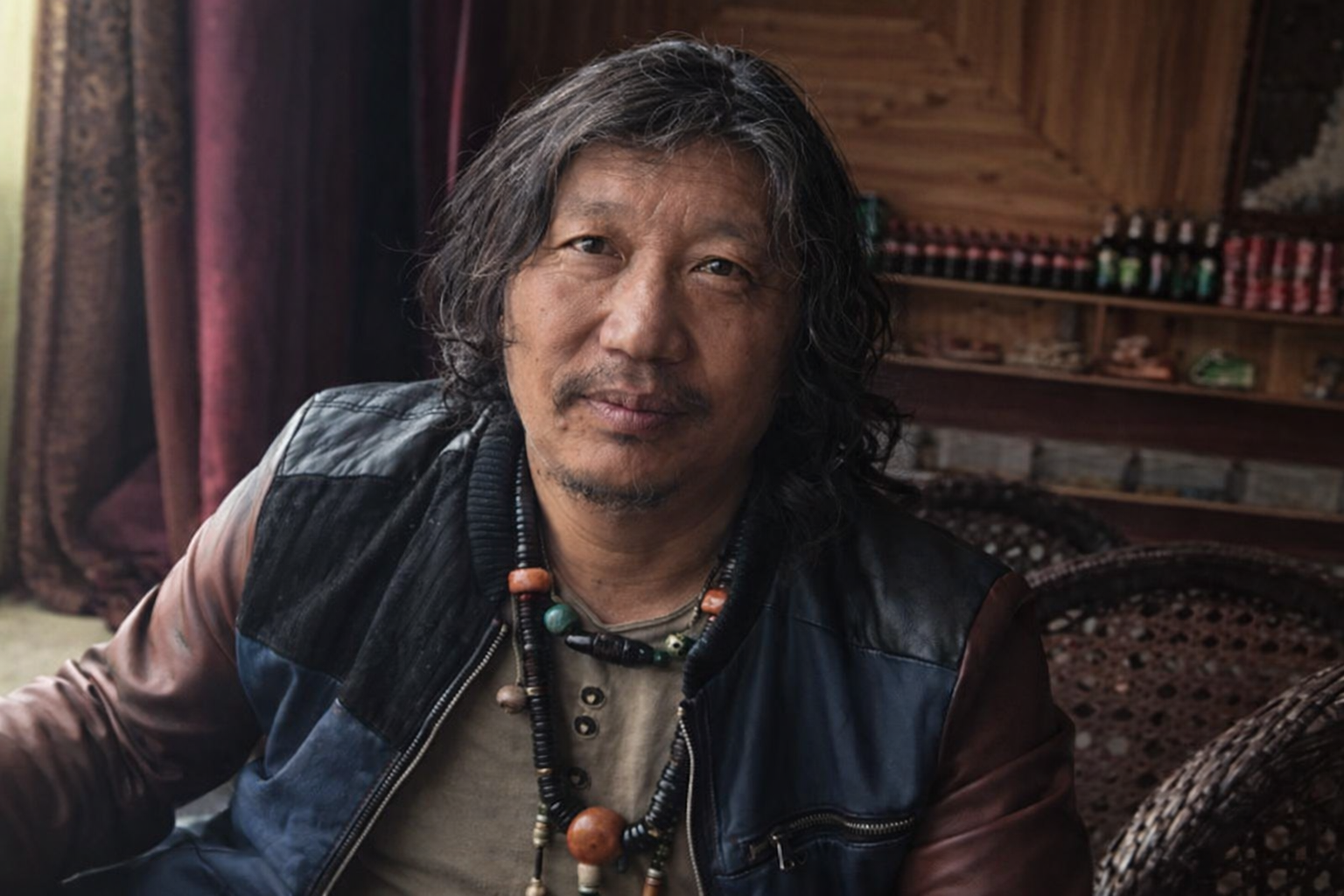
The release of Tibetan activist A-nya Sengdra after seven years in a Chinese prison has reignited global concern over Beijing’s ongoing repression in Tibet. Once celebrated as a fearless defender of the environment and anti-corruption advocate in the Golog region, Sengdra now returns home in fragile health his eyesight failing, kidneys damaged, and body weakened by years of torture and medical neglect. His story stands as a powerful testament to both the cost of conscience under China’s rule and the enduring resilience of Tibetans who continue to fight for justice, integrity, and the protection of their homeland
Years of Suffering and Failing Health
According to tibet.net, Sengdra’s health has badly deteriorated due to harsh prison treatment. Reliable sources confirm he now suffers from partial vision loss, kidney problems, and dangerously high blood pressure all consequences of years of abuse and deliberate medical neglect. Arrested in September 2018, he was held incommunicado for 48 days without counsel and beaten repeatedly. His family was denied visits until August 2025, when they saw his frail state; officials refused proper care as his condition worsened.
Arbitrary Extension and Continued Control
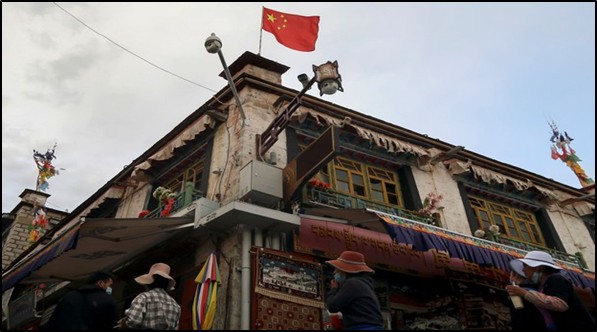
Although A-nya Sengdra was sentenced to seven years in prison, completing his term in September 2025, Chinese authorities arbitrarily extended his detention by more than five months. Officials cited vague “rule violations” and a fabricated “theft” accusation charges that rights groups say are routinely used to prolong the incarceration of political prisoners. The International Federation for Human Rights (FIDH) denounced this as a “breach of international fair-trial standards” and evidence of Beijing’s systematic manipulation of judicial processes in Tibetan cases. Sources close to the case confirmed that Sengdra’s release was tightly controlled, followed by oppressive post-release measures: local authorities have banned him and his family from public speaking, online communication, or contact with foreign media. They are also barred from leaving their township to seek medical treatment, and their home remains under constant police monitoring and digital surveillance a tactic frequently imposed on released Tibetan activists to ensure ongoing control.
A Defender of Environment and Integrity
Before his arrest, A-nya Sengdra was renowned across Tibet’s Golog region as a courageous environmental and anti-corruption activist. In 2014, he founded Mangdon Ling (“Public Affairs Forum”), empowering nomads to protect their land and demand accountability. He exposed the misuse of about 18 million yuan intended for nomad housing projects, prompting officials to release long-withheld funds to struggling families. By organizing protests against illegal mining and poaching, Sengdra inspired over 200 Tibetans in 2018 to petition for financial audits in Gade County an unprecedented act that led to the dismissal of corrupt leaders and rare grassroots accountability under China’s rule.
Unjust Charges and Brutal Retaliation
A‑nya Sengdra’s activism provoked harsh retaliation. In September 2018, Chinese authorities re‑arrested him on fabricated charges of “disturbing social order” and “picking quarrels”—charges often used under Article 293 to silence dissent. Denied legal counsel for months and subjected to repeated beatings during interrogation, Sengdra endured severe physical and psychological torture. His defense lawyer, Lin Qilei, faced official intimidation for refusing to fabricate evidence. After 14 months of pretrial detention marked by secrecy and coercion, a closed‑door trial on 6 December 2019, handed Sengdra and nine other Tibetan activists long prison sentences in one of Tibet’s starkest miscarriages of justice.
Global Outcry Over Systematic Abuse
A‑nya Sengdra’s case drew intense global condemnation, highlighting China’s systematic repression in Tibet. His documented torture, denial of medical care, and prolonged arbitrary detention prompted urgent appeals from UN Special Rapporteurs and the UN Working Group on Arbitrary Detention. The U.S. State Department, the European Union, and the Congressional‑Executive Commission on China all cited his case as emblematic of Beijing’s abuse of judicial power. The International Federation for Human Rights (FIDH) issued an emergency resolution in 2025, while more than 140 international advocacy organizations campaigned for his release and called for accountability for those responsible for his mistreatment.
Ongoing Persecution and a Call for Justice
Despite his release, China’s repression of A-nya Sengdra continues through constant surveillance, communication bans, and travel restrictions that block his access to essential medical care. Rights groups and the Central Tibetan Administration have urged Beijing to end these controls and allow independent health treatment. Sengdra’s steadfast courage, even after years of abuse, continues to inspire Tibetans and global supporters alike, underscoring the enduring pattern of systematic persecution and the urgent need to uphold Tibet’s rights, freedom, and human dignity.
About the Author

 Tashi Nima

 Rinchen Tashi