
China’s Spring Festival: Unveiling the Magic of Tradition and Unity
 Rinchen Tashi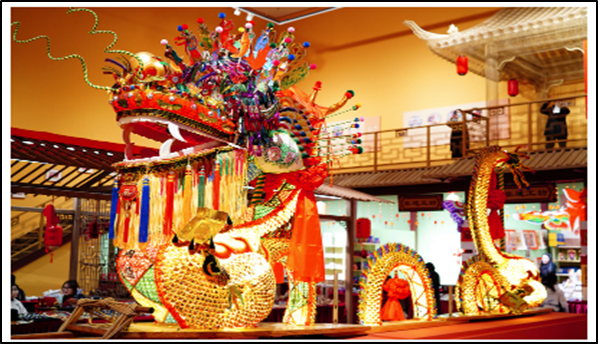
China Spring festival
The Spring Festival or Chunjie better known globally as Chinese New Year stands as China’s most vibrant, enduring holiday, pulsing with family bonds, explosive festivities and mouthwatering feasts. Rooted in the lunar calendar’s dawn of spring, it spans about 15 days, far eclipsing a mere date change. This spectacle isn’t just tradition, it’s the rhythmic core of Chinese identity, blending ancient rites with modern resilience amid rapid urbanization and global influence.
Its origins stretch over 3,500 years, born from winter solstice sacrifices to deities and ancestors for bountiful harvests. The mythic legend of Nian, a ferocious beast with a lion’s head and ox’s body, crystallizes its essence. Emerging from sea or mountains each eve, Nian terrorized villages until elders discovered its fears, the shrill red hue, blazing lights and thunderous clamour. Villagers hung crimson lanterns, daubed doors with red paper and ignited firecrackers, repelling the monster and birthing “Guo Nian” safely “passing the year.” This tale endures, imprinting red as fortune’s hue and noise as evil’s bane.
Through dynasties, the festival evolved from ritual to revelry. In the Shang era (1600–1046 BC), it centered on agrarian prayers. The Han Dynasty (202 BC–220 AD) standardized it to the lunar calendar’s second new moon post-winter solstice. Tang (618–907 AD) and Song (960–1279 AD) eras infused social splendor, gunpowder birthed fireworks, couplets adorned gates and cross-family visits fostered communal warmth. Ming and Qing refinements added imperial galas, cementing its nationwide grip. Today, it mirrors China’s geopolitical heft, with overseas celebrations in Belt and Road nations amplifying soft power. Central to the frenzy is the Reunion Dinner on New Year’s Eve, China’s emotional pinnacle. Millions undertake Chunyun the planet’s largest annual migration, ferrying 3 billion passenger trips via bullet trains and planes to converge at ancestral hearths. Northern tables brim with jiaozi dumplings, crescent-shaped like silver ingots for wealth, southern kin savor niangao rice cakes, phonetically promising yearly ascent.
These meals transcend cuisine, weaving symbolism, longevity noodles for endurance, fish (yu) for surplus, since it echoes “abundance.”
Red envelopes or hongbao, spark childlike glee and elder generosity. Stuffed with “lucky money,” these scarlet packets ward off misfortune, their colour a Nian-repellent shield. Digitally reborn via WeChat in urban China, they net billions yearly, blending heritage with tech savvy. Pre-festival “spring cleaning” sweeps prior woes, paving way for decorations, chunlian couplets poetic antitheses on red scrolls grace doorways, while inverted “fu” (fortune) characters play on homophones, signaling “luck arrives.” These rituals infuse homes with auspicious energy.
New Year’s Eve erupts in pyrotechnic glory, skies ablaze despite urban bans for air quality. Fireworks echo Nian’s rout, their booms heralding prosperity. The fortnight unfolds ritually on Day 1 honors elders, Day 2 welcomes married daughters home, Day 5 invokes the Wealth God amid renewed crackers, Day 15 caps with Lantern Festival, streets aglow in riddled lanterns, dragon dances and tangyuan rice balls for family wholeness. Zodiac cycles Rat to Pig assign yearly personas, dictating fortunes via traits like the Dragon’s charisma or Ox’s diligence.
Fascinating facets abound. Dates shift between January 21 and February 20, lunar-tied. Red dominates, shunning black or white’s mournful vibes. In 2026’s Year of the Horse (starting January 29), expect equine motifs symbolizing speed and freedom. Globally, Chinatowns from Sydney to San Francisco host parades, exporting culture amid diaspora ties. Yet challenges loom, overtourism strains heritage sites, while COVID echoes curtailed 2020-2022 gatherings, underscoring adaptability.
In today’s hyper-connected China, the festival acts as a cultural anchor amid economic whirlwinds and U.S.-China frictions. The CCTV Gala, beamed to a billion viewers, blends pop, skits and patriotism state media’s soft power showcase. It fosters unity, mending grudges and igniting optimism for spring’s renewal. For overseas analysts, it highlights Beijing’s narrative control, state-orchestrated events reinforce harmony (hexie), subtly advancing agendas like Taiwan reunification metaphors in family themes.
Symbolism saturates every sense, thunderous sounds of crackers and laughter, radiant sights of lanterns and writhing dragons, aromas of steaming dumplings, incense and festive brews, the spirit of unity, prosperity and rebirth. Whether enduring Chunyun’s crush or savoring quiet hongbao exchanges, the Spring Festival affirms, amid flux, homecoming endures universally. As China rises, this ancient heartbeat resonates worldwide, a testament to cultural tenacity.
About the Author

 Tashi Nima