
BURNING FOR FREEDOM: A TIBETAN SINGER’S DEFIANCE BEFORE CHINA’S POTALA
 Rinchen Tashi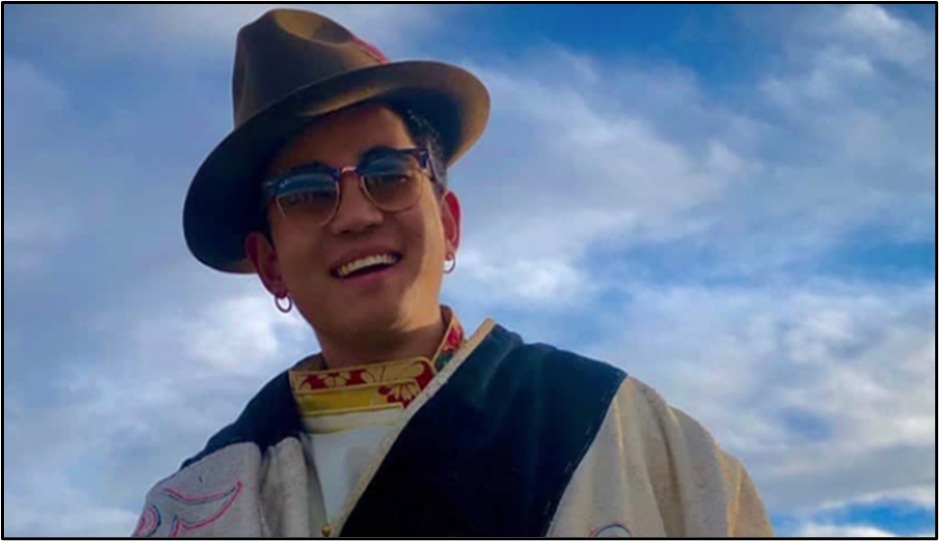
Photo Credit: thetibetpost.com
The flames that consumed Tsewang Norbu in front of Lhasa’s Potala Palace have reignited a global cry for justice in Tibet. The 25‑year‑old singer, beloved for his voice and cultural pride, turned his body into a symbol of protest against China’s decades of repression. His death is not just the loss of a gifted artistit is a reminder of the silenced pain of an occupied nation, where every act of resistance risks imprisonment, erasure, or death.
Early reports claimed that Chinese police stopped him before he could complete the act, but later information confirmed he was taken away immediately after setting himself ablaze and later died in custody. His death has sparked deep grief among Tibetans both inside Tibet and in exile, many of whom regard him as a symbol of resistance, courage, and sacrifice.
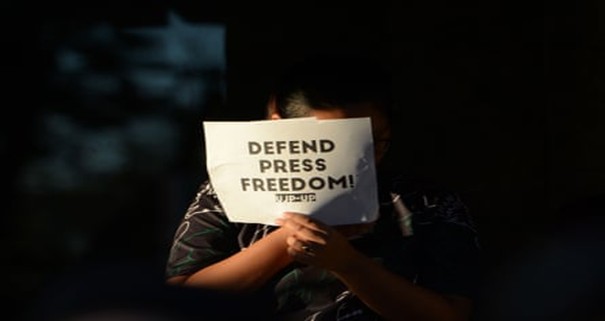
Tsewang Norbu was one of Tibet’s most popular young musicians, celebrated for songs that beautifully blended modern and traditional Tibetan styles. His works Tsampa, Dress Up, and Except You earned admiration from Tibetans at home and in the diaspora. Yet, following his protest, Chinese authorities swiftly removed his songs from major music platforms and locked the comment sections on his social media accounts to stifle any expression of mourning or solidarity.
Born into a family of artists, Norbu’s heritage reflected both cultural pride and political suffering. His mother, Sonam Wangmo, is an accomplished singer in China, while his uncle, Sogkhar Lodoe, is among Tibet’s longest-serving political prisoners. Lodoe has spent more than two decades behind bars and is currently serving an 18-year sentence for peacefully protesting in front of the same Potala Palace in 2018. Their family’s story embodies the painful intersection of art, identity, and repression in contemporary Tibet.
The Potala Palace itself the site of Norbu’s final protest is profoundly symbolic. Once the winter residence of the Dalai Lamas and a spiritual and political heart of Tibet, it now stands as a heavily monitored tourist site under Chinese control. The palace was shelled during the 1959 uprising, when the current Dalai Lama fled to India after a violent suppression of Tibetan resistance that claimed thousands of lives. Since then, Beijing has ruled Tibet through censorship, military presence, and constant surveillance.
Norbu’s death increases the number of confirmed Tibetan self-immolations inside Tibet to at least 158 since 2009, with eight more in exile communities in Nepal and India. Each self-immolation is a desperate and painful act of protest against the erosion of Tibet’s religion, language, and culture under Chinese rule. The last known case before Norbu’s was Shurmo, a 26-year-old from Nagchu County, who burned himself in 2015. His death was verified only years later, highlighting how information from Tibet often struggles to reach the outside world due to strict state control.
As the anniversary of the 1959 Tibetan Uprising approaches each March 10, Chinese authorities intensify restrictions deploying security forces, expanding surveillance, and tightening internet censorship to prevent even the smallest sign of protest. High-tech control methods, from facial recognition to digital tracking, reinforce Beijing’s grip on the region, creating a near-total blackout on free expression.
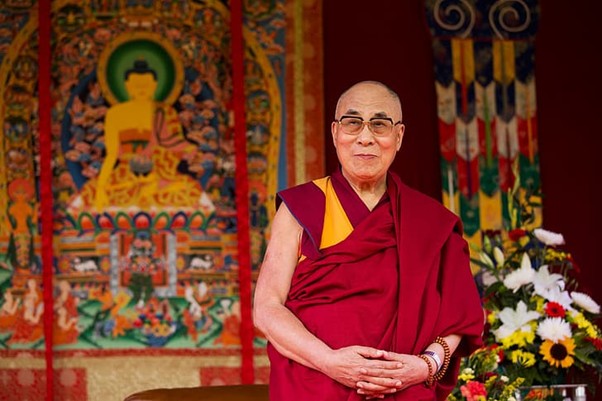
China labels all Tibetan protests as “separatist” threats and routinely blames the Dalai Lama for stirring division. Yet the Dalai Lama continues to seek only meaningful autonomy within China, calling for the preservation of Tibet’s language, religion, and culture not independence. Despite this moderate stand, Beijing persists in portraying him as a dangerous separatist while pushing aggressive assimilation measures, such as mandatory Mandarin education and strict limits on religious practices.
The death of Tsewang Norbu stands as a painful reminder of Tibet’s long struggle for dignity and freedom. For many Tibetans, his self-immolation was not an act of despair but a final offering of love and loyalty to his people and homeland. For the world beyond Tibet’s borders, it underscores the urgent responsibility to speak out against the decades-long campaign of repression and cultural erasure enforced by the Chinese state.
Though Beijing has wiped his songs from its platforms, Tsewang Norbu’s voice still cuts through the machinery of censorship, turning his silence into an indictment of Chinese rule. His final act lays bare a system so afraid of truth that it tries to erase even the memory of those who resist, yet cannot extinguish the determination of a people who refuse to surrender their land, language, and faith.
About the Author

 Tashi Nima