
Grammy Victory Highlights Dalai Lama’s Influence and China’s Failed Disinformation Campaign
 Tashi Nima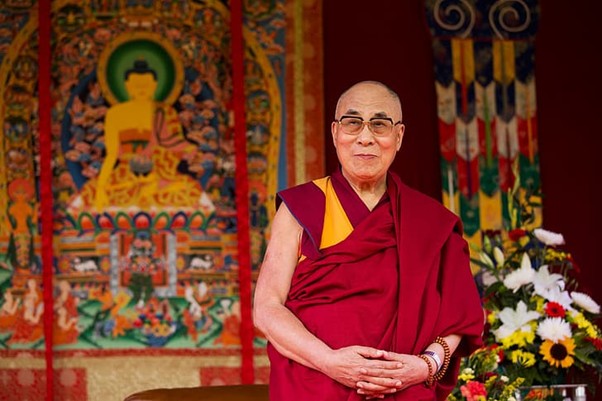
Photo Credit: wallpaperflare.com
When the world celebrated the Grammy victory of Dalai Lama, it appeared to be a simple recognition of peace, spirituality and compassion. His spoken word album Meditations on the Untethered Soul inspired millions with messages of mindfulness and non-violence. Yet the moment of global appreciation quickly turned into something darker. Almost immediately, voices linked to the Chinese Communist Party began attacking the spiritual leader, spreading criticism and controversial claims across media and online platforms. Instead of accepting a cultural achievement, Beijing appeared determined to question and undermine the moment.
The episode reveals a deeper struggle that goes far beyond a music award. It shows how a peaceful figure who speaks about compassion can still provoke intense hostility from a powerful state. Rumours, propaganda and coordinated online narratives quickly replaced celebration with controversy. What should have been a global moment of inspiration instead exposed the lengths to which political power can go to challenge a voice it cannot control.
Beijing’s aggressive reaction is not an isolated incident but part of a long pattern of propaganda and smear tactics. In 2023, online trolls linked to the Chinese Communist Party often referred to as the “50 Cent Army” circulated a misleading video of the Dalai Lama taken during a public event in Dharamsala, India. The clip showed him interacting with a young child in a playful gesture, which was later edited to appear controversial, though sticking out one’s tongue is a traditional Tibetan greeting. According to BBC, critics and Tibetan representatives condemned the video as a deliberate distortion designed to damage the spiritual leader’s reputation. Similarly, Reuters reported that online disinformation campaigns linked to pro-Beijing networks have repeatedly targeted Tibetan voices in exile. Analysts cited by Associated Press note that such tactics are often used when authorities cannot directly silence critics abroad. Despite having no army or political power, the Dalai Lama’s global respect continues to challenge Beijing’s narrative about Tibet, making him a powerful symbol of Tibetan identity and peaceful resistance.
Authoritarian systems often fear symbolic voices more than armed opposition. Leaders who speak about peace and identity cannot easily be silenced with force, so propaganda becomes the preferred weapon. The global influence of Dalai Lama is a clear example. Instead of engaging with his message, authorities linked to the Chinese Communist Party frequently attempt to create doubt through rumours and online campaigns. In early 2026, Chinese-linked outlets and social media posts falsely suggested that the Dalai Lama’s name appeared in Jeffrey Epstein’s files a baseless claim quickly debunked by fact-checkers, who confirmed there is no evidence connecting him to Epstein. According to Reuters, analysts have observed that coordinated digital narratives are increasingly used by state-linked networks to shape public opinion and attack critics abroad. Similarly, reporting by BBC notes that disinformation and selective narratives have become powerful political tools in the modern information environment. These tactics show how sensitive Beijing remains to the Dalai Lama’s global respect. A peaceful message about compassion and cultural identity continues to inspire many people around the world, especially those concerned about the situation in Tibet. For Tibetans and their supporters, every international recognition strengthens hope, while for Beijing it exposes cracks in the carefully controlled narrative it tries to maintain.
Despite Beijing’s aggressive attempts to discredit him, the Dalai Lama emerged stronger than ever. His Grammy win for Meditations on the Untethered Soul symbolized truth, compassion and the resilience of Tibetan culture. While platforms like X and TikTok can amplify falsehoods, they cannot erase global awareness of his message. Reports by BBC, Reuters and Radio Free Asia document how Chinese-linked disinformation campaigns have repeatedly targeted him, yet his moral authority remains intact. Independent voices like RFA and Voice of America continue to expose propaganda and preserve uncensored information for Tibetans. For Tibetans and supporters worldwide, this episode is a reminder that peaceful voices cannot be silenced. In the end, a 90-year-old monk, armed only with wisdom and integrity, triumphed over a superpower’s smear campaign.
About the Author

 Rinchen Tashi