Dalai Lama Calls for a Drug-Free Ladakh, Tells Youth That Recovery Is an Act of Courage
 Lobsang
Credit : @CYS4T
Tibetan spiritual leader urges young people to reject substance abuse, seek treatment and build lasting happiness through compassion, inner strength and peace of mind.
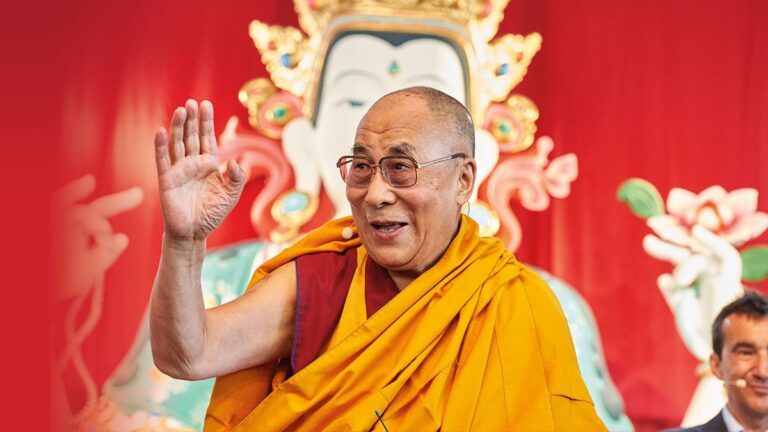
Leh: In a heartfelt appeal to the young people of Ladakh, the Dalai Lama has warned that drug addiction offers no escape from hardship and ultimately brings greater suffering. Expressing concern over reports of growing substance abuse in the region, he urged those affected to seek help and reminded them that overcoming addiction is not a sign of weakness, but an act of courage, determination and hope.
The Tibetan spiritual leader, who is currently staying in Leh, issued the message after meeting several young Ladakhis in recent weeks. During these interactions, boys and girls reportedly spoke to him about friends who were struggling with drug dependence and asked for guidance on happiness, stress, fear and emotional well-being.
Their concerns prompted the Dalai Lama to make a direct appeal for a drug-free Ladakh.
He described the region’s youth as his “young spiritual brothers and sisters” and said he felt a personal responsibility to encourage them to stay away from harmful substances. His message combined a warning about the consequences of addiction with compassion for those already caught in its grip.
According to the Dalai Lama, young people must carefully reflect on the physical, emotional and social damage caused by substance abuse. Drugs may appear to offer temporary relief from loneliness, anxiety, frustration or pressure, but addiction often deepens these problems and can damage health, relationships, education and future opportunities.
“By reflecting on its consequences, you will see that it brings only suffering,” he said.
However, his message was not one of condemnation. Rather than blaming people struggling with addiction, the Dalai Lama praised those who had recognised the problem, sought treatment and remained committed to recovery.
He said breaking free from addiction requires “real courage and determination” and expressed admiration for everyone making a sincere effort to rebuild their life.
This emphasis is particularly important because fear of judgement often prevents people from seeking help. Individuals battling addiction may feel ashamed, isolated or convinced that recovery is impossible. By describing treatment and recovery as courageous actions, the Dalai Lama encouraged families and communities to respond with understanding instead of rejection.
Addiction should not be treated simply as an individual failure. It can be connected to emotional distress, unemployment, peer pressure, family difficulties, social isolation and a lack of healthy opportunities for young people. Addressing it therefore requires cooperation between families, schools, religious institutions, healthcare professionals, community organisations and the local administration.
Awareness campaigns can help young people understand the risks of substance abuse before experimentation turns into dependence. At the same time, accessible counselling, confidential treatment, rehabilitation facilities and support after recovery are essential for those already affected.
Recovery does not end when a person stops using drugs. Many individuals require continued emotional support, meaningful employment, education and acceptance from society to avoid returning to destructive habits. The Dalai Lama’s message suggests that compassion must remain at the centre of this process.
“I feel it is my responsibility to urge the youth of Ladakh to refrain from substance abuse,” he wrote. “I pray that all who are struggling will overcome such problems and soon come to lead healthy, meaningful and happy lives.”
The appeal also placed the problem of addiction within the wider question of mental well-being. During his conversations with young Ladakhis, many reportedly asked how they could find happiness and overcome emotions such as anger, stress and fear.
The Dalai Lama responded by saying that the fundamental purpose of human life is to seek happiness. But lasting happiness, he explained, cannot be secured merely through wealth, status or power. It comes from peace of mind and from developing a healthy relationship with oneself and others.
He encouraged young people to train their thoughts, practise honesty and patience, develop warm-heartedness and show compassion in their daily lives. Such qualities, he said, can help individuals deal with negative emotions and build the inner strength needed to face life’s difficulties.
His advice carries particular significance for Ladakh, a region experiencing rapid social and economic change. Greater connectivity, tourism, urban development and exposure to new lifestyles have created opportunities, but they have also introduced new pressures for younger generations.
Traditional community structures are changing, while academic competition, unemployment, uncertainty about the future and the influence of social media can intensify anxiety and isolation. In such an environment, some young people may turn to drugs as a form of escape.
The Dalai Lama’s appeal makes clear that prevention cannot rely on fear alone. Young people need trustworthy guidance, safe spaces to discuss their problems and the confidence that asking for help will not lead to humiliation.
Parents and teachers must learn to recognise warning signs, including sudden changes in behaviour, declining academic performance, secrecy, financial difficulties, aggression, depression and withdrawal from family or friends. These signs should be approached carefully and compassionately, without immediately labelling or punishing the individual.
Religious and community leaders can also play an important role by reducing stigma and encouraging treatment. Their involvement can help communicate that addiction is a serious challenge that requires professional care as well as family and community support.
The Dalai Lama’s message ultimately offers both a warning and a path forward. Drugs, he said, create suffering, but recovery remains possible. Young people should not lose hope, and those seeking help should be respected rather than judged.
A drug-free Ladakh cannot be achieved through words alone. It will require education, stronger healthcare support, effective law enforcement against drug trafficking, rehabilitation programmes and meaningful opportunities for young people.
Yet the spiritual leader’s appeal provides an important foundation: real strength lies not in hiding pain, but in confronting it; not in escaping through harmful substances, but in seeking help; and not in abandoning those who struggle, but in helping them return to healthy and meaningful lives.
For Ladakh’s youth, the message is direct and deeply humane: addiction may bring suffering, but courage, compassion and determination can open the door to recovery.
About the Author


 Rinchen Tashi
 Karma Ngawang
 Jun Hao