
Tibetans Dying in Chinese custody: ICT Report Shows Deadly Pattern of Abuse and Silence
 Jun Hao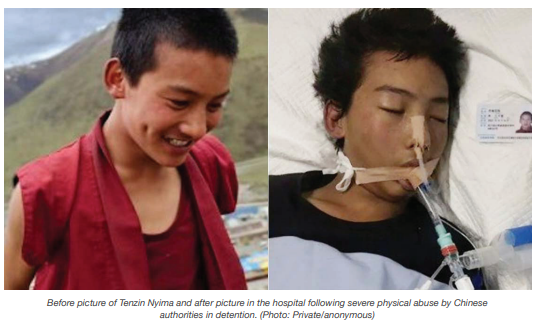
Credit: ICT
New Delhi: A shocking new report has exposed how Chinese authorities in Tibet are turning prisons and detention centres into places of death. The International Campaign for Tibet (ICT), a well-known rights group, has documented at least 16 cases of Tibetans who died in custody or shortly after their release between 2014 and 2026.
The report, titled “Justice Denied The Pattern of Deaths in and After Custody in Tibet”, was released in June 2025. It says these deaths are not random tragedies. They follow a clear pattern of arrest without proper reasons, secret detention, beatings, denial of medical care, and then complete silence after death. Families are left with no answers, no bodies, and no justice.
“Detention in Tibet can be a death sentence without investigation, without accountability, there is no justice,” the report says.
A student who never came back
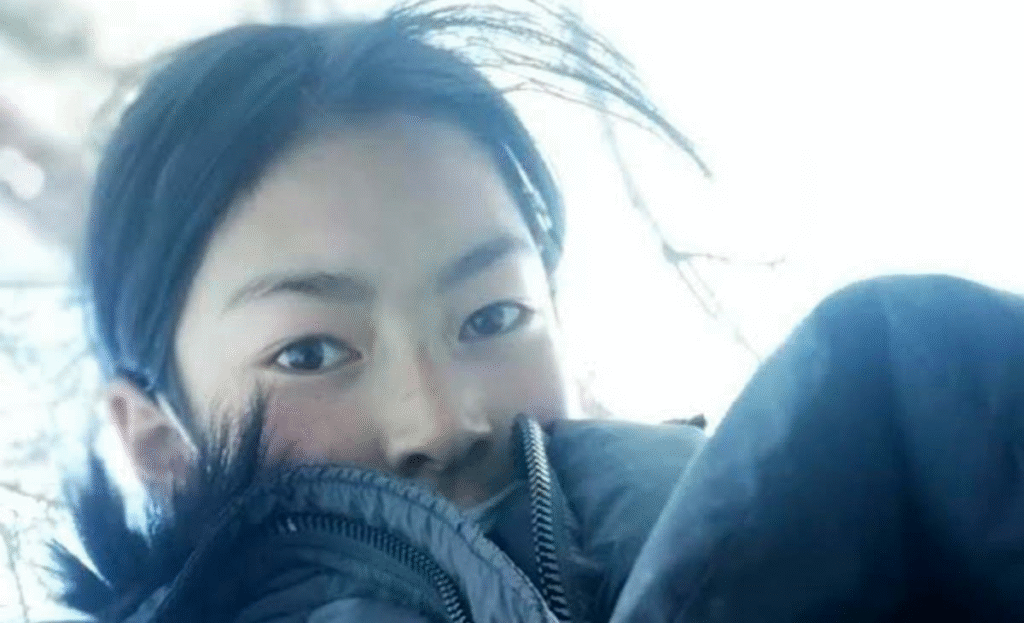
One of the recent cases is that of Tsedon. She was a 20-year-old university student in Lhasa. She was studying hard and dreaming about her future. On 26 December 2023, Chinese police detained her in Nyemo County while she was still in college. Within a few weeks, she was dead.
Her family never received her body. No doctor did an autopsy. No official explanation was given to anyone. Her teachers and classmates were also left in the dark. This young girl’s life ended without any trace of what really happened to her.
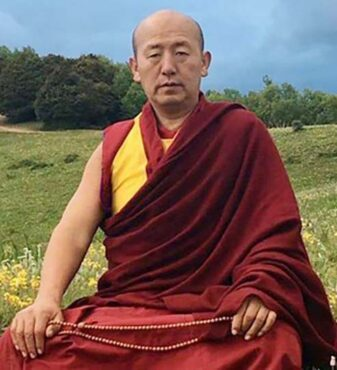
Another case is that of Geshe Pende Gyaltsen. He was a 56-year-old respected monk and scholar. He spent his life helping villagers settle small disputes peacefully. He was arrested even though he was in good health. On 26 January 2023, he died inside custody. After his death, authorities stopped people from seeing his body. They even sent his remains all the way to Beijing. His monastery and the local community faced strict restrictions.
Village leader dies days after release
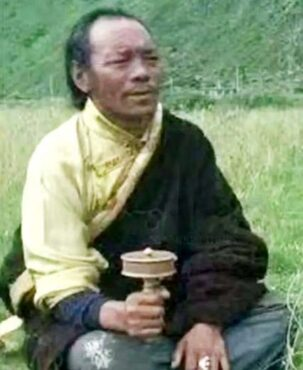
Gonpo Namgyal was a village leader in Darlag County in Qinghai province. He believed that Tibetan children should be allowed to learn in their own Tibetan language. For this simple belief, he was arrested in 2024. He was kept in secret detention for many months with no contact with his family or lawyer.
When he was finally released, he was very weak. People who saw him said his body had marks of abuse, including burns from electric shocks. He could not recover. He died just three days after coming home. His family still has no official explanation about what happened to him inside.
Even more disturbing is the case of Tulku Hungkar Dorje Rinpoche. He was a highly respected spiritual teacher whose work had helped thousands of people. In March 2025, he was arrested in Ho Chi Minh City in Vietnam. Chinese officials were present during the arrest. He later disappeared. After some days, authorities announced he had died in custody. They claimed it was a heart attack but gave no proof. His body was cremated at night without his family’s permission or any proper check by doctors.
Young monk dies in police station
In December 2025, Samten, a 25-year-old monk from Ditsa Monastery in Qinghai, also died in police custody. Authorities said he suddenly fell ill during transfer to hospital. But local people believe he was beaten badly during questioning. His body was returned to the monastery with strict orders that no one should talk about it. Samten had been under constant police watch since 2021 because he had shared some photos related to Tibetan elections.
These are not old stories. They are happening even now.
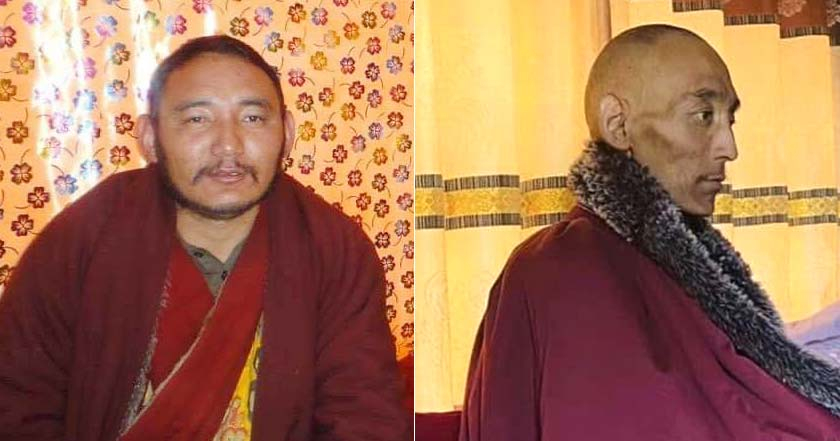
(Photo: Private/anonymous)
Two clear patterns of death
The ICT report clearly divides these 16 deaths into two groups. In 10 cases, the Tibetans died while still inside custody. In the other 6 cases, they were released in very bad health and died soon after reaching home or hospital.
For example, Tenzin Nyima was a 19-year-old monk. He was arrested in November 2019 after he and some friends distributed leaflets calling for Tibetan independence. He was beaten so badly that he went into a coma. He was released in October 2020 and died in hospital just nine days later. No one investigated his injuries.
Lhamo, a woman from Driru County, was also found in hospital unable to speak and with visible injuries. She died two days later. Her body was cremated immediately so no one could check what had happened to her.
Norsang was a father of six children from Nagchu. He refused to attend forced political classes. He died in custody in 2019. His death was kept secret for almost two years. When the news finally came out, his family was warned not to speak about it.
No body, no truth for families
After these people die, the suffering of families becomes even worse. In almost all cases, families are not allowed to see the body. Many times the body is cremated quickly under police control, sometimes at night. Religious prayers and last rites are not permitted.
Without the body and without any independent doctor’s report, families can never know the real cause of death. There is no investigation. No one is punished. The report says this is done on purpose to remove all evidence.
One relative of a victim said, “We are not told where they are. We are not told what happened. And when they die, we are not allowed to know why. The Chinese government does whatever it wants to the Tibetan people — there is no law, no procedure, nothing.”
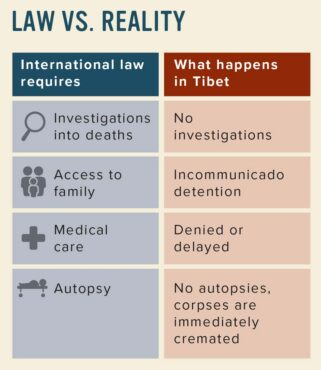
The report compares what international law requires and what actually happens in Tibet:
- International law says there must be proper investigations into every death in custody. In Tibet, there are none.
- Families must be allowed to see the body. In Tibet, bodies are hidden or cremated secretly.
- Medical care must be given. In Tibet, it is often denied or delayed.
- Autopsies should be done. In Tibet, they are never done.
System that protects the powerful
The ICT report explains why this keeps happening. China’s own laws do not properly punish torture. Chinese criminal law only talks about forcing confessions through torture. It does not fully cover other abuses like punishment or discrimination against Tibetans for their religion or language.
People can be kept in secret places for up to six months without any court check. Lawyers and families are not allowed to meet them. This is called “residential surveillance at a designated location”. UN experts have warned that this creates a high risk of torture.
Investigations, if any, are done by the same police and government officers who are responsible for the detention. There is clear conflict of interest. No independent person checks what really happened.
The people who die are not violent criminals. They are monks, students, teachers and village leaders. They are targeted because they want to protect Tibetan language, religion and culture. UN experts have said China’s policies in Tibet are trying to erase Tibetan identity and replace it with Chinese ways. This discrimination makes Tibetans more likely to face abuse.
No justice even after death
Families of the victims get nothing. No money as compensation. No apology. No official explanation that meets international standards. Many families are watched by police and warned not to speak in public. Some have faced threats and restrictions on movement.
The report says none of the families of these 16 victims have received any proper justice so far. This goes against international rules that China has agreed to follow. China has signed treaties that say torture must be stopped and victims must get help and justice.
What the report asks for
The ICT report gives clear suggestions to stop this pattern:
To world governments: Raise these cases openly. Ask for real and independent investigations. Allow UN experts and journalists to visit Tibet freely and meet families. Consider sanctions against officials involved in these abuses. Protect the families who are seeking truth.
To the Chinese government: Change laws to properly define and punish all kinds of torture. Give proper medical care to all prisoners. Allow independent investigations. Stop political interference in courts. Give families access to bodies and full information.
To the United Nations: Treat these deaths as part of a bigger problem of torture and discrimination in Tibet. Ask China for complete data on all such cases. Keep pushing for free access to Tibetan areas.
A climate of fear
The report says these deaths create fear in the entire Tibetan society. People are scared to speak, to practise their religion openly, or even to ask questions. Detention is not seen as normal legal process. It is seen as something that can lead to disappearance and death.
An earlier ICT report from 2008 to 2014 had already recorded 14 similar deaths. The new report shows the problem has continued for more than 18 years. It is no longer just individual cases. It has become the way the system works.
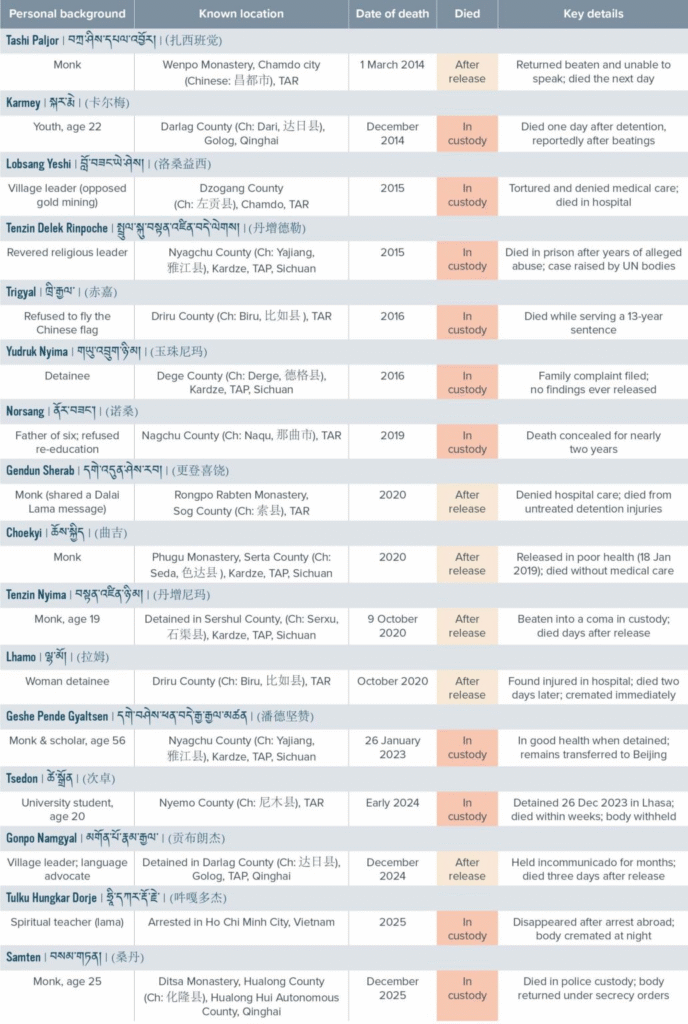
The 16 documented cases include Tashi Paljor (2014), Karmey (2014), Lobsang Yeshi (2015), Tenzin Delek Rinpoche (2015), Trigyal (2016), Yudruk Nyima (2016), Norsang (2019), Gendun Sherab (2020), Choekyi (2020), Tenzin Nyima (2020), Lhamo (2020), Geshe Pende Gyaltsen (2023), Tsedon (2024), Gonpo Namgyal (2024), Tulku Hungkar Dorje (2025) and Samten (2025).
Many of these people were in good health when arrested. Many had only spoken for basic rights or cultural preservation.
The report ends with a strong message. These deaths show that the Chinese authorities in Tibet operate with total freedom from any check. There is no real law protecting ordinary Tibetans inside detention centres.
For the families, the pain never ends. For the Tibetan people, it creates daily fear. For the world, it raises a simple question: Will anyone stand up and demand real answers and real change?
The full report with all details and sources is available on the International Campaign for Tibet website. It is based on information collected from families, local sources, Radio Free Asia, Human Rights Watch and official UN communications.
This pattern of deaths in custody must stop. The truth must come out. Justice must be given to the families who have suffered in silence for too long.
About the Author


 Rinchen Tashi
 Karma Ngawang